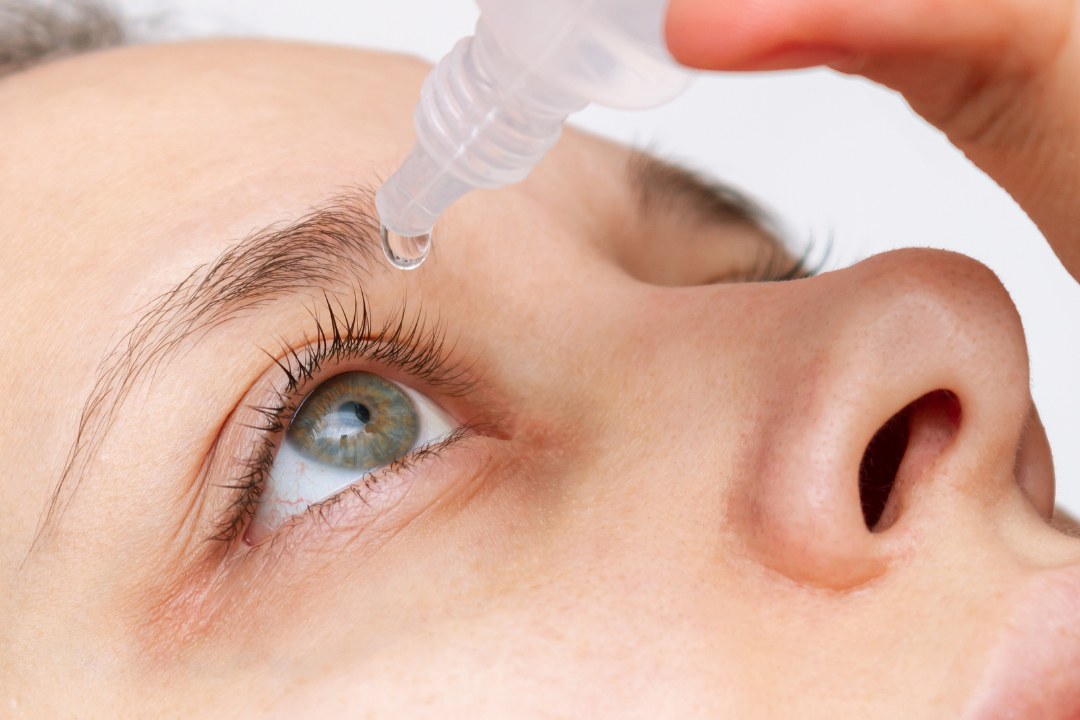
Dry Eye Syndrome (DED) is a modern-day epidemic, affecting nearly two-thirds of people across the UK, affecting anyone at any age. This common condition can leave your eyes looking red and feeling uncomfortably scratchy, often creating a gritty sensation as if an eyelash or a piece of dust is trapped, even when there is nothing there. And what's weird is that despite its name, dry eye doesn’t always feel dry - one of the most common symptoms is that your eyes are watery more than usual!
While it doesn't typically cause permanent damage, Dry Eye can result in frustrating "fluctuating vision" where your eyesight becomes blurry for short periods but clears once you blink.
Common Causes and Contributing Factors
Dry eye is multifactorial, meaning there is rarely just one cause. Dry eye becomes more common as we age, particularly in women during pregnancy or menopause due to hormonal changes, but several other factors also play a role:
Blepharitis and MGD: Inflammation of the eyelids or Meibomian Gland Dysfunction (MGD) are the most common causes. MGD occurs when the tiny glands in your lids become blocked, failing to produce the oils needed to stop tears from evaporating.
Medication: Antihistamines, antidepressants, and blood pressure medications can all reduce tear production.
Environmental Triggers: Air conditioning, central heating, wind, and smoke all accelerate tear evaporation.
Health Conditions: Inflammatory conditions such as Rheumatoid Arthritis, Lupus, and Sjögren’s Syndrome are closely linked to dry eye.
Digital Fatigue: We blink significantly less when using computers or phones, which starves the eye of fresh moisture.
Management and Treatment of Dry Eye
Unfortunately there is no permanent cure for dry eye, however it can be managed effectively to ensure your eyes stay comfortable. Treatment is always tailored to the individual cause.
1. Making the Most of Your Natural Tears
Simple lifestyle adjustments can have a significant impact. Using a humidifier can help keep the air moist, while the 20:20:20 rule (taking a break every 20 minutes to look 20 feet away) ensures you are blinking enough during screen work. A diet rich in Omega-3 and 6 (found in oily fish, nuts, and seeds) is also widely recommended to improve the quality of your oily tear layer.
2. Specialist Eyelid Hygiene
For those with Blepharitis or MGD, a daily lid hygiene routine is essential.
Warm Compresses: Using a clean flannel or a microwaveable heat mask for 5-10 minutes helps soften blocked oils.
Lid Massage: Gently massaging the eyelids helps express the healthy oils back onto the eye surface.
Cleaning: Using cooled, boiled water or specialist lid wipes to remove debris and bacteria from the lash line.
3. Lubricating Eye Drops and Gels
Most people find relief using artificial tears. At Blink, we often recommend preservative-free drops, especially if you use them more than six times a day or wear contact lenses, as preservatives can sometimes further irritate the eye surface. For overnight relief, thicker gels or ointments can be used to prevent the eyes from drying out while you sleep
How Blink Can Help You Manage Dry Eye
If your symptoms are persistent, a professional assessment is the best way to determine the exact cause of your discomfort. At our Bridge of Allan practice, we provide specialised care:
Clinical Diagnosis: We can determine if you have Tear Deficient dry eye (not enough water) or Evaporative dry eye (not enough oil).
Advanced Imaging: We use our diagnostic suite to check for gland blockages and assess the health of your tear film.
Bespoke Treatment Plans: From the latest preservative-free lubricants to specialist lid hygiene products, we tailor a plan to your specific lifestyle.
Specialist Referrals: For severe cases, we can provide advice on advanced treatments like punctal plugs (to reduce tear drainage) or refer you for specialist hospital care.
Don’t let dry eye impact your daily life. Contact us at Blink today for a professional assessment and expert advice.