

Retinal & Interior Eye Imaging in Bridge of Allan
Advanced eye imaging is the key to assessing and maintaining optimal eye health
At Blink, we are proud to offer a hospital-grade imaging suite featuring Optomap, Optical Coherence Tomography (OCT), and Digital Slit Lamp cameras.
As technology has evolved, so has the comprehensive eye examination. Being able to accurately check your eye health alongside testing your vision is essential. This is why we have invested in state-of-the-art devices that allow our optometrists to be significantly more thorough, detecting potential issues earlier and with greater precision than a traditional high-street eye test.
Why is Advanced Retinal Imaging so important?
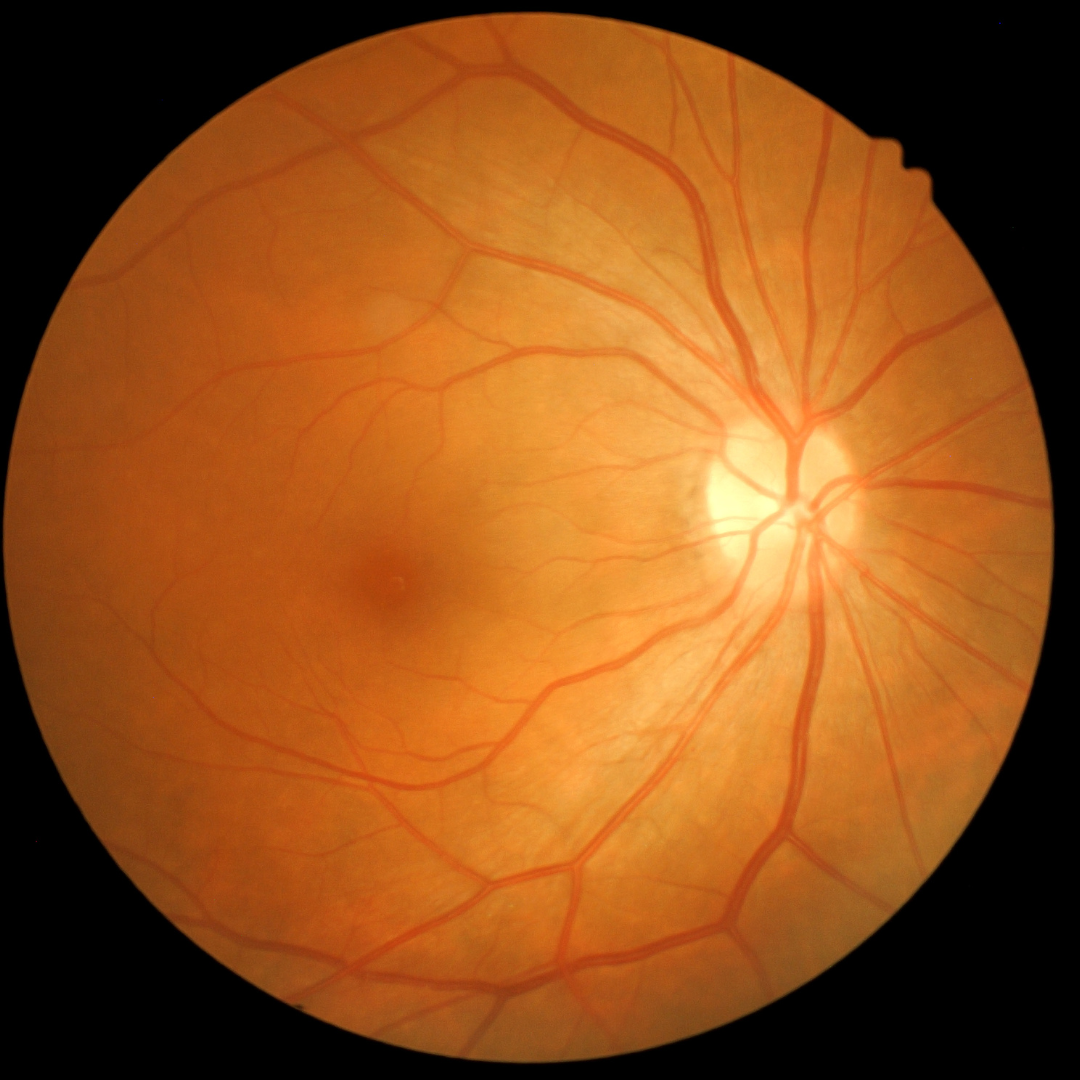
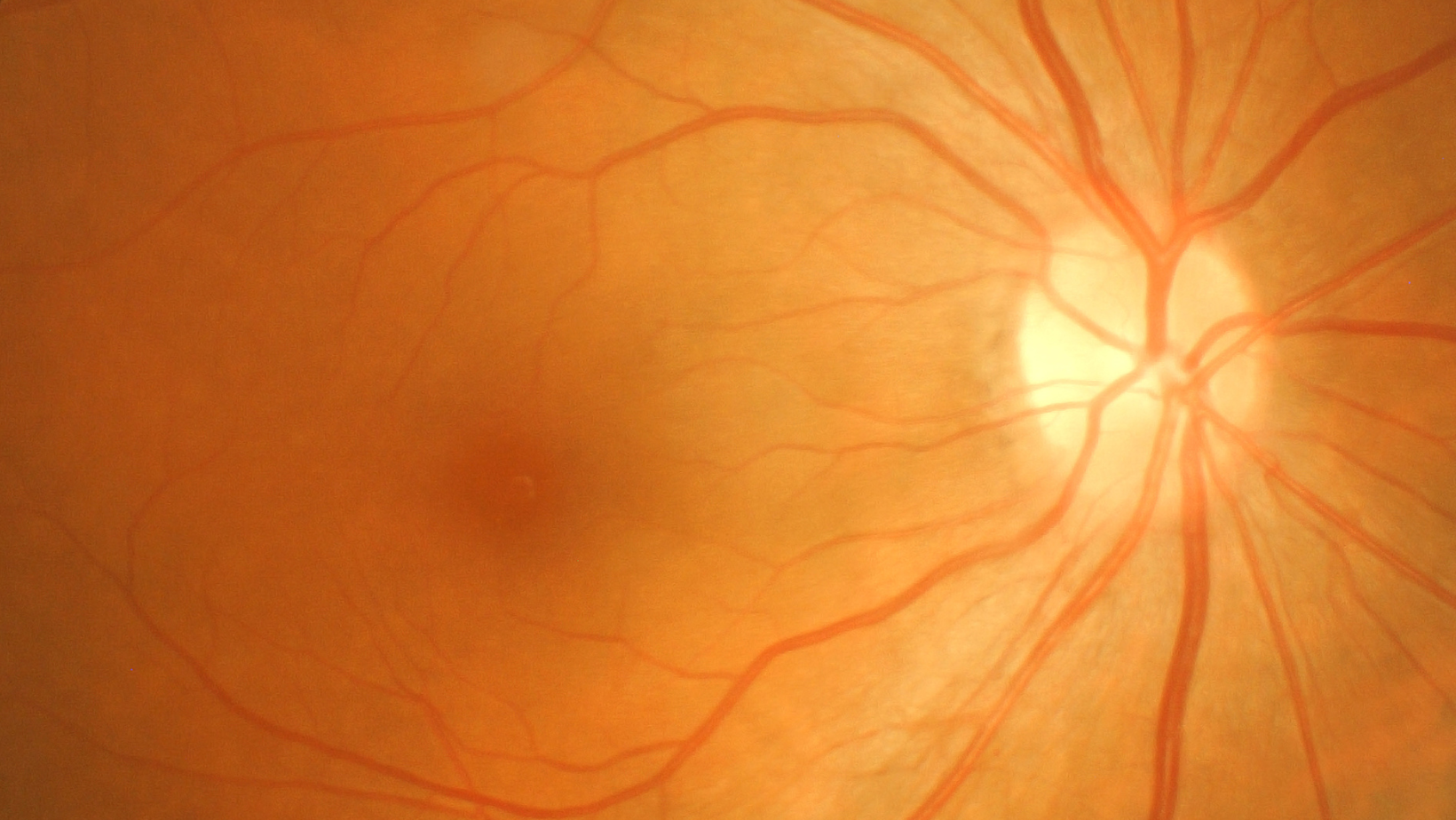
The retina is the window to your overall health, responsible for transmitting visual information to your brain. Advanced imaging is an essential diagnostic tool for several reasons:
Early Detection & Prevention - We can identify eye diseases such as Macular Degeneration, Glaucoma, and Diabetic Retinopathy in their earliest stages - often years before symptoms appear and when they are most treatable.
Creating Your Digital Baseline - These scans provide a permanent record of your eye’s condition. This allows us to track even the tiniest changes over time and monitor the effectiveness of any treatments with micron-level accuracy.
Visual Evidence & Education - We don’t just tell you your eyes are healthy; we show you. These high-definition images allow us to explain your eye health clearly, providing visual proof of any changes or progress.
Fast, Painless, and Non-Invasive - All our imaging procedures are quick, easy, and involve no physical contact with the eye, providing instant results for us to analyze and discuss with you during your visit.
Our Specialised Imaging Technology

Optomap Ultra-Wide Field Imaging
Traditional imaging only allows us to see about 15% of your retina at once. The Optomap ultra-widefield scan captures a 200° panoramic digital image that covers up to 87% of your retina in less than half a second. This allows us to look at the peripheral layers of the eye in-depth, identifying issues that standard cameras might miss.

Optical Coherence Tonography (OCT)
Our Optomap ultra-widefield technology is complemented by the Topcon OCT scan. Think of this as the equivalent of a CAT scan for your eyes - it produces 3D cross-sections that allow our optometrists to, quite literally, see beneath the surface of your retina. The software enables us to monitor your health with incredible detail, observing changes over the years when we do comparative scans.
Both scans are non-invasive, quick, easy and painless. Within seconds, all images will be taken, producing instant results that we can analyse and discuss with you.
These advanced scans are not covered by the NHS. We will be able to discuss and demonstrate these scans with you at your eye examination.

Anterior Eye Imaging - Slit lamp camera
A slit lamp camera is a specialised optical imaging device used by us to capture high-quality images of the anterior eye.
The slit lamp camera is commonly used in practices for diagnostic purposes. The images captured by the camera can also be used to educate patients on their eye health and provide visual documentation of changes over time.
Our Slit lamp camera also gives us access to teleophthalmology. This provides remote ophthalmic care to patients. It involves the use of digital technology to remotely diagnose and treat eye-related conditions. This allows the Optometrists at Blink to access Ophthalmologists advice - allowing us to share (with your consent) images/scans and we can even have a three way consultation with an Ophthalmologist if thought beneficial.
Frequently Asked Questions
-
Not at all. Both the Optomap and OCT scans are non-invasive, quick, and painless. There is no physical contact with your eye - the devices simply use light to capture high-definition images in a matter of seconds.
-
No. While your standard eye examination is funded by the NHS in Scotland, the advanced technology used for Optomap and OCT imaging is an additional private clinical service. We believe this is a worthwhile investment in the long-term protection of your sight.
Optomap and OCT scans combined currently costs £40, individually they are £25 each.
-
Yes. One of the greatest benefits of this technology is the instant feedback. We can review the images on-screen with you immediately, allowing us to explain our findings and answer any questions you may have before you leave the practice.